
A Complete Transport Guide: Tokyo
Few cities can appear as daunting as Tokyo. Holding the title of the biggest and most populous city in the world doesn’t really ease the anxiety of new arrivals all that much.
Yet, despite the enormous layout of this sprawling metropolis, this city of megalithic skyscrapers and dazzling lights has one of the best transport systems in the world. From bullet trains to a spiderweb of subways, Tokyo’s transport system is surprisingly much easier to decipher than you would think.
This guide will walk you through everything you need to know about transportation in and around Tokyo. So, here’s your complete guide to Tokyo transport!
This article may contain affiliate links, for which I may receive compensation at no extra cost to you, dear readers!
Table of Contents
How To Get To Tokyo
Tokyo, Japan’s bustling capital, is a major global destination accessible from nearly every corner of the world. Whether you’re flying internationally, travelling domestically, or exploring nearby regions, getting to Tokyo is convenient and straightforward.
Getting to Tokyo by Flights
Tokyo is a major hub for arriving/departing the great continent of Asia. As such, many major airlines and several smaller ones run routes to both the city’s airports – Tokyo Narita and Tokyo Haneda.
Even though both airports are outside of central Tokyo, they’re still well connected and within easy reach. That, combined with incredibly helpful and knowledgeable staff willing to help you get exactly where you need to go, it’s as easy as can be.
Getting to Tokyo via Narita Airport
Narita International Airport (NRT) is one of the main gateways to Tokyo. It’s located about 60 kilometres east of the city, but don’t worry, there are plenty of ways to get there.
1. Narita Express (N’EX)
This is a fast and comfortable option for travellers heading to major hubs like Tokyo Station, Shinjuku and Shibuya.
- Travel Time: 50–60 minutes to Tokyo Station.
- Cost: Around ¥3,070 one way (standard class).
- Benefits: Spacious seating, luggage storage, and onboard Wi-Fi.
- Tickets: Available online on Klook and 12Go.


2. Keisei Skyliner
The Keisei Skyliner is another high-speed train service connecting Narita Airport with Ueno and Nippori Stations.
- Travel Time: Around 40 minutes to Ueno
- Cost: ¥2,570 one way
- Benefits: One of the fastest routes into Tokyo, with comfortable seating
- Tickets: Available online on 12Go.
3. Keisei Access Express
For budget-conscious travellers, this is a slower but economical option.
- Travel Time: About 65 minutes to Asakusa.
- Cost: From ¥1,240 one way.
- Benefits: Direct service to Asakusa and other locations along the Keisei Line.
- Tickets: Available online on 12Go.
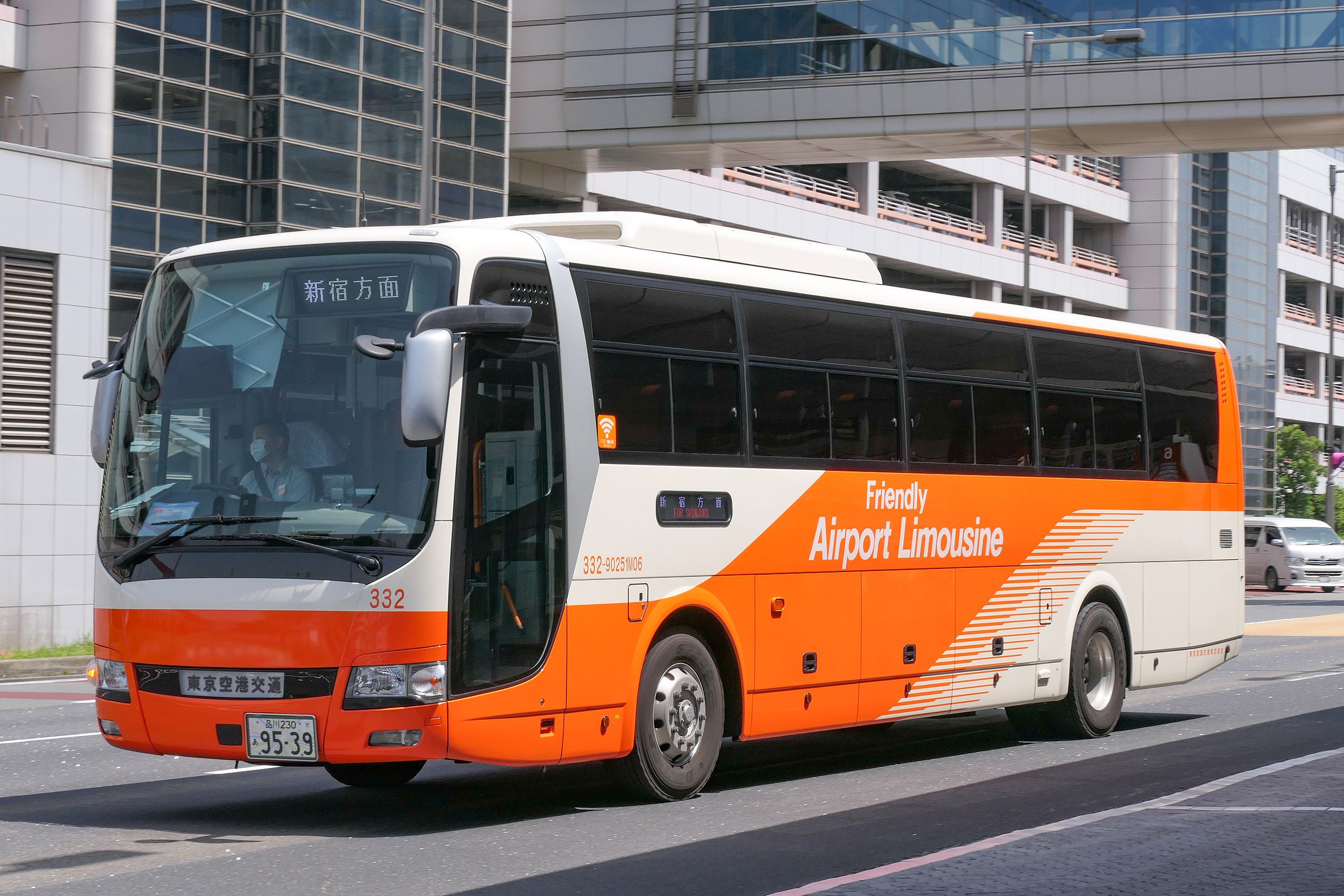
4. Airport Limousine Bus
This is a convenient choice, especially if you’re carrying heavy luggage or staying at a hotel serviced by the bus.
- Travel Time: 90–120 minutes, depending on traffic.
- Cost: Around ¥3,200 one way.
- Benefits: Direct drop-off at many major hotels and stations. Ideal for families or large groups.
- Tickets: Available online on Klook and 12Go.

5. Taxis and Private Transfers
Taxis are the most direct option but can be costly.
- Travel Time: 60–90 minutes.
- Cost: Around ¥20,000–¥30,000.
- Benefits: Door-to-door convenience.
- Tickets: Available online on Viator.
6. Rental Cars
Renting a car is not typically recommended as Tokyo’s transport system is excellent and there’s usually heavy traffic. However, it can be a good option if you plan to explore areas outside the city.
- Cost: Starts at around ¥10,000 per day.
- Tip: Ensure you have an International Driving Permit (IDP).
- Tickets: Available online on Discover Cars.
Getting to Tokyo via Haneda Airport
Haneda Airport, officially known as Tokyo International Airport, is one of the busiest airports in Japan! It’s much closer to the city being just 14 kilometres south of central Tokyo.
It’s the perfect choice for travellers looking for quick and convenient access to the city.
1. Train
Haneda Airport is well-connected to Tokyo’s extensive rail network, which offers several quick and cost-effective options.
- Keikyu Line: connects Haneda Airport to central Tokyo and beyond through subways and major train lines. A one-way trip to Shinagawa takes about 13 minutes and costs about ¥300.
- Tokyo Monorail: The monorail runs from Haneda Airport to Hamamatsucho Station. It takes about 15 minutes and costs around ¥500.
- Tickets: Available online on 12Go.
2. Bus
Airport Limousine Buses and other shuttle bus services run to key destinations in Tokyo, such as Shinjuku, Tokyo Station, and Roppongi.
- Travel time: 30-60 minutes.
- Cost: Typically ¥1,000–¥1,500.
- Tickets: Available online on Klook and 12Go.
3. Taxi
Taxis are available at all terminals and offer a convenient option, especially for late-night arrivals or if you’re travelling in a group.
- Travel time: Around 20-40 minutes.
- Cost: ¥5,000 to ¥8,000, with an additional surcharge for late-night rides.
4. Ride-Sharing and App-Based Services
Taxi-hailing apps like JapanTaxi and Uber operate in Tokyo. These apps are convenient for booking a ride in advance or if you prefer cashless payment options.
5. Car Rentals
If you’re planning to explore areas outside Tokyo, renting a car is a viable option. Rental car counters are available at the airport, and international licenses are accepted. However, as mentioned before, it’s not recommended due to heavy traffic.
Getting to Tokyo by Train
Even when you’ve reached Japan, Tokyo is a breeze to access anywhere in the country. With an extensive rail network and a couple of airports, it’s easily one of Japan’s most well-connected cities.
As such, travelling to Tokyo by train is not only a convenient option but also one of the most scenic and comfortable.
Shinkansen (Bullet Train)
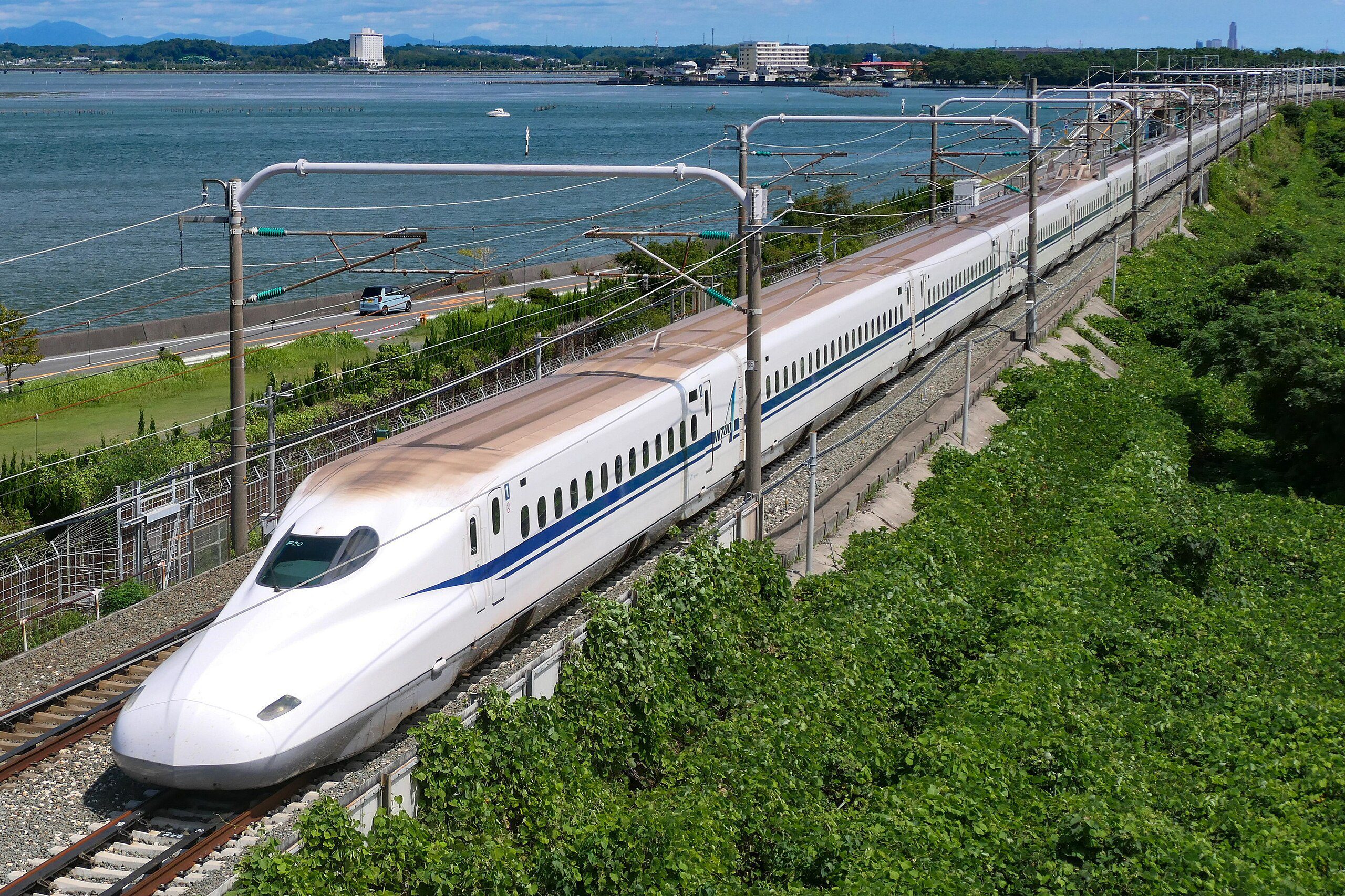
The iconic Shinkansen or the “bullet train” is the fastest and most efficient way to travel to Tokyo from other cities. They’re operated by JR (Japan Railways) and are known for their punctuality, comfort and of course, speed!
- Tokaido Shinkansen: Connects Tokyo with cities like Kyoto, Osaka, and Nagoya. The fastest train (the Nozomi), can get you there from Osaka in about 2.5 hours.
- Tohoku Shinkansen: Links Tokyo with northern Japan, including Sendai, Morioka, and Aomori.
- Hokuriku Shinkansen: Provides access from Tokyo to Kanazawa and Nagano.
- Joetsu Shinkansen: Connects Tokyo to Niigata.
- Sanyo Shinkansen: Extends westward, connecting Tokyo with Hiroshima and Fukuoka.

Tickets and Prices:
Travelling on the Shinkansen is by far the most expensive option for transport. There are 3 types of trains: Nozomi, Hikari, or Kodama, and the seating class options are unreserved, reserved, or green car.
Tickets can be purchased on Trip.com, Klook and 12Go.
Short Distances (100–200 km, e.g., from Nagoya to Tokyo):
- Unreserved: ¥10,560–¥11,000 (£59–£62)
- Reserved: ¥11,000–¥12,500 (£62–£70)
- Green Car: ¥14,000–¥16,000 (£79–£90)
Medium Distances (400–600 km, e.g., from Osaka/Kyoto to Tokyo):
- Unreserved: ¥13,000–¥14,500 (£73–£80)
- Reserved: ¥14,000–¥15,500 (£79–£85)
- Green Car: ¥18,500–¥20,500 (£104–£115)
Long Distances (700+ km, e.g., from Hiroshima/Fukuoka to Tokyo):
- Unreserved: ¥18,000–¥19,500 (£101–£109)
- Reserved: ¥19,000–¥21,000 (£107–£118)
- Green Car: ¥26,000–¥30,000 (£146–£169)
If you’re travelling on a budget, consider the Japan Rail Pass, which provides unlimited travel on most JR trains, including certain Shinkansen, for 7 days at ¥29,650.
Limited Express Trains
Limited express trains are a great option for shorter journeys or routes not served by the Shinkansen. These trains are slightly slower but still provide a fast and comfortable ride.
Ticket counters and machines at Terminal 1 and Terminal 2-3 stations. Tickets can be purchased on Trip.com, Klook and 12Go.
Popular routes include:
- The Narita Express (N’EX) from Narita International Airport to Tokyo for about ¥3,070.
- The Odakyu Romancecar from Hakone or Enoshima to Tokyo for about ¥2,520.
Regional Lines
If the prices of the bullet train are a little steep for your liking and are in a nearby city such as Yokohama, Chiba, or Saitama, regional JR trains or private railway lines are also a great option.
The JR Yamanote Line and Keihin-Tohoku Line are particularly useful for entering Tokyo and navigating the city centre.
Tickets and Prices:
There are a few options for places to buy tickets:
- At ticket counters or automated machines at train stations.
- Online via the JR East or JR Central websites.
- Through travel agencies or mobile apps like SmartEX or Japan Rail’s official apps.
Getting to Tokyo by Bus
Tokyo is also well-connected by bus to cities across Japan, making it an affordable and convenient option for travellers. On top of that, they cover far more ground than the already extensive rail networks.
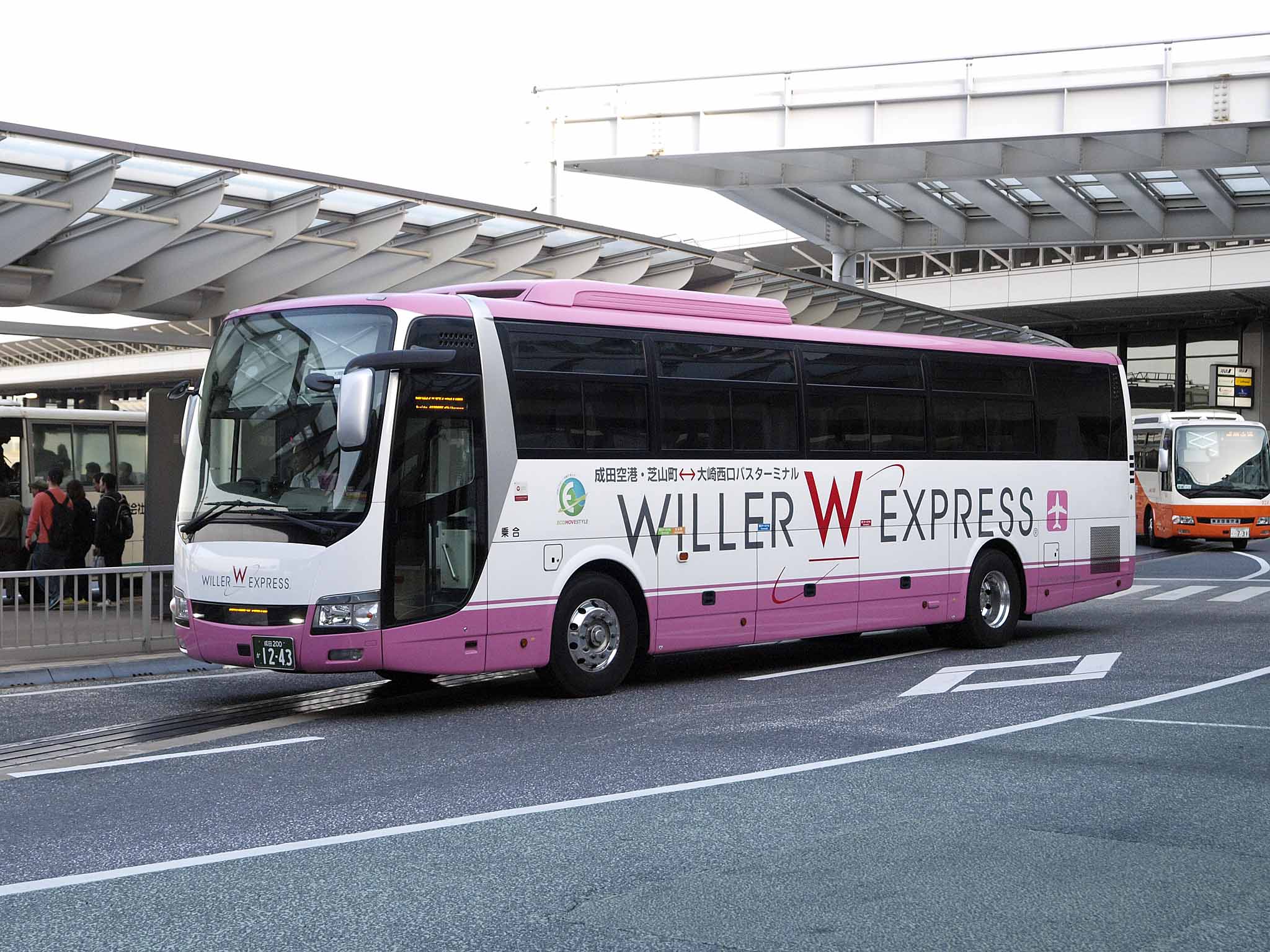
Several bus companies operate routes to and around Tokyo. These include Willer Express, JR Bus Kanto, Keio Bus, Odakyu Bus, Tokyu Bus, Nishi Tokyo Bus and Kintetsu Bus.
| From | Duration | Price |
|---|---|---|
| Nagoya | 6 hrs | ¥4,500 |
| Kyoto | 8 hrs 30 mins | ¥5,400 |
| Osaka | 8 hrs | ¥3,200-8300 |
| Hiroshima | 13 hrs | ¥4,300-11,800 |
| Fukuoka | 14 hrs 30 mins | ¥11,000-16,500 |

Types of Buses
There are a few types of buses to choose from to fit your personal preference.
- Economy Buses: Basic seating and fewer amenities but very budget-friendly.
- Premium or Luxury Buses: Spacious reclining seats, individual charging ports, Wi-Fi, and sometimes private cabins or blankets.
- Women-Only Buses: Some operators, like Willer Express, offer women-only buses or seating sections for added security and comfort.
Buying Tickets
Bus tickets in Japan are relatively cheap and easy to get a hold of:
- Online – Tickets can be booked directly online from companies such as Willer Express, Japan Bus Online, and JR Bus. They can also be found on general booking sites including BusJapan or JapanBusOnline.
- At bus terminals – automated machines and ticket counters are places throughout stations.
- Convenience stores – chains like Lawson, FamilyMart, and 7-Eleven offer bus ticket reservations.
Getting Around Tokyo
Despite what you might think, the most populated city on Earth isn’t that difficult to get around. It’s just going to take a while with two, three or even TEN transfers to get there!
Thanks to the Japanese love of stringent organization, public transport systems in Tokyo are some of the most efficient and extensive in the world! For all the options available, practically the entire world knows of Tokyo’s number 1 option for inner-city travel.
Getting Around Tokyo by Subway
Tokyo is home to the most well-known subway system in the world and for good reason! The subway is one of the fastest, most efficient, and affordable ways to explore every corner of the city.
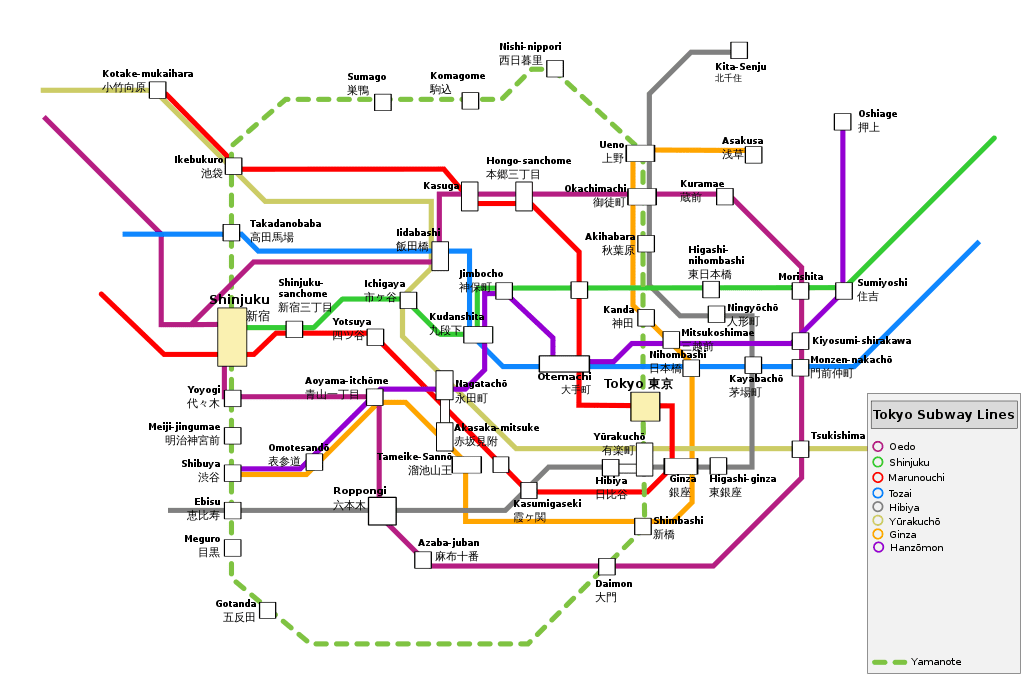
Tokyo’s system consists of two primary networks: the Tokyo Metro and the Toei Subway. Together, they operate well over 600 stations and over 80 lines! These systems also seamlessly connect with JR trains.
A quick look at a map will show you just how enormous the system really is, and it’s easy to lose yourself in the spiderweb. But don’t worry, these lines are colour-coded and numbered to make navigating them easier.


Fares are distance-based, starting from ¥180 for short trips from 1-6 km. Tickets are available at vending machines in the stations.
For added convenience, you could also use transport cards such as PASMO and Suica. This also offers a slight discount compared to regular tickets. They’ll cost an initial ¥1,000 to charge the card along with a ¥500 deposit.
Getting Around Tokyo by Buses
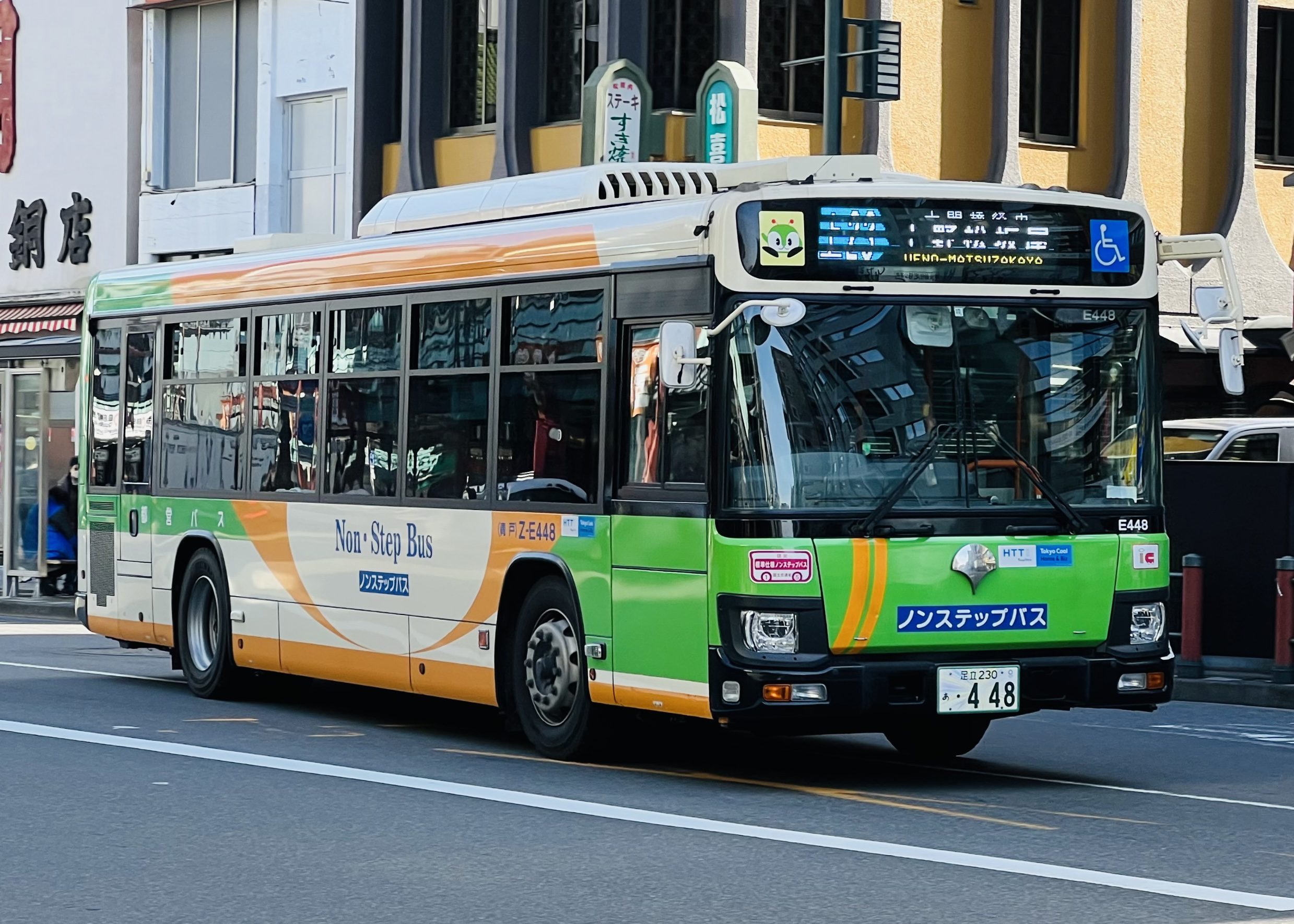
Though buses may not be recommended for travelling across town, they’re perfect for short-distance journeys.
Toei Buses are operated by the Tokyo Metropolitan Government, which covers Tokyo’s 23 wards and also other nearby areas. They also connect major train stations, tourist destinations, and residential areas.
Buses charge a flat rate of ¥210 for any route or distance (with a transport card), or ¥220 without, which needs to be paid immediately as you step on the bus. There is also a 1-Day Passes available for unlimited travel within a day at ¥500 for adults.

Getting Around Tokyo by Tram
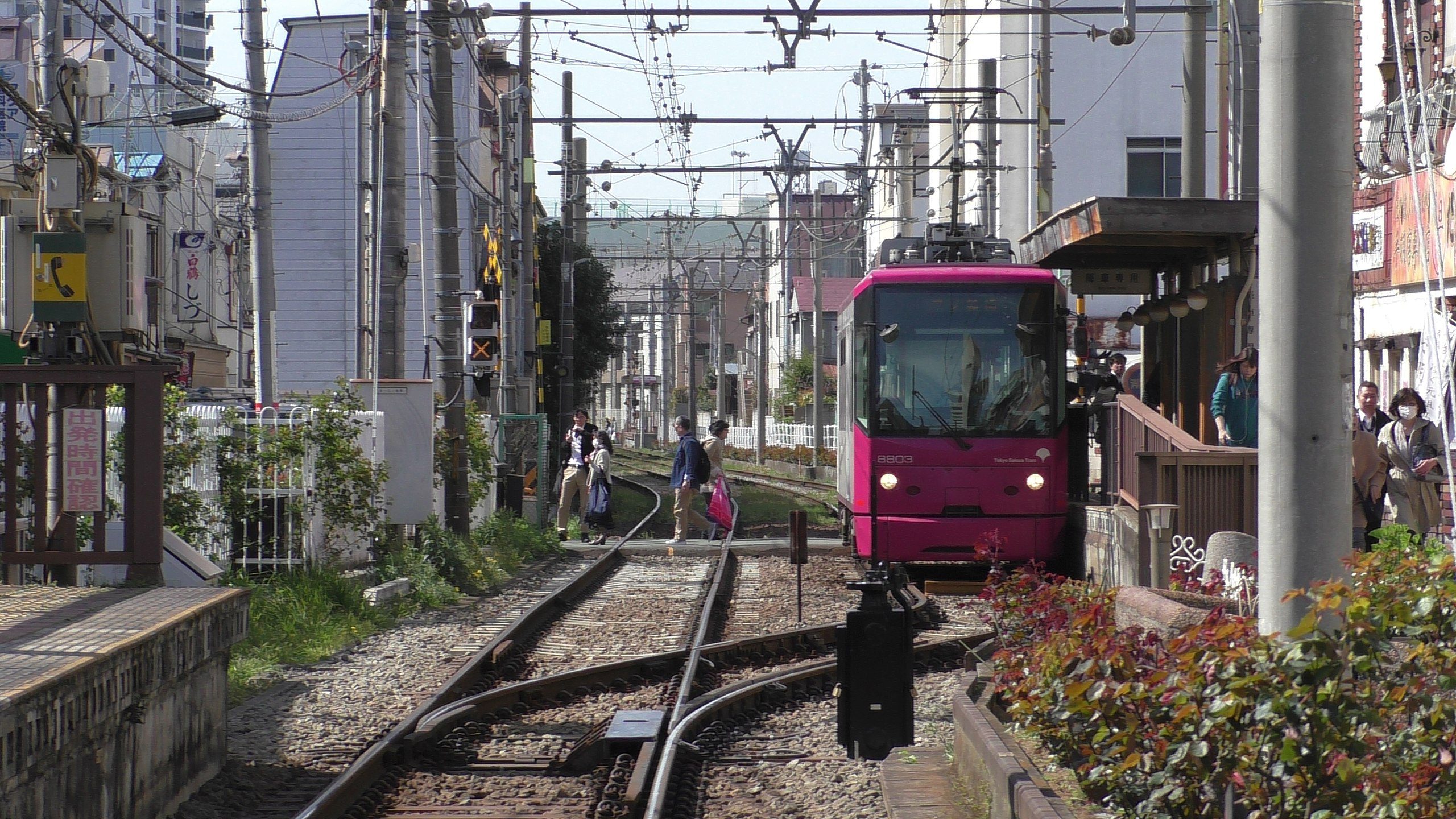
One of the more old-fashioned ways of getting around in this most modern of cities is by the historic tram line.
The Tokyo Sakura Tram (Toden Arakawa Line) is the only one to choose from. A one-day pass costs ¥400 for adults.

Getting Around Tokyo by Taxi
Taxi fares in Tokyo start at ¥410 for the first 1.052 km. Additional charges apply based on distance and time. Taxis can be hailed on the street or booked via phone.
Getting Around Tokyo by Ride-Sharing Services
Taxi-hailing apps like JapanTaxi and Uber operate in Tokyo. These apps are convenient for booking a ride in advance or if you prefer cashless payment options.
Watch Here For More!

Thank You for Reading! Check Out These Other Helpful Links!
Thank you so much for reading A Complete Transport Guide: Tokyo! Now check out these other helpful articles!


You May Also Like

The Ultimate Travel Itinerary: Green Island (Ludao) in 2 days

The 20 Best Highlights to See in Kyoto
