
The 20 Best Things to See in Taipei
In an ocean of East Asian powerhouses, the plucky little self-governed nation of Taiwan punches far above its weight. Its blossoming beacon of a capital is the crowning jewel of a culture which has evolved from its old brother-in-arms across the Taiwan Strait.
What might feel like a fast-paced, crowded metropolis at first, with the flashing lights and buzzing scooters, a closer look at Taipei reveals the deeper core of tradition, religion and a progressive nature. Woven amongst the skyscrapers are beating arteries of religious institutions, bustling night markets and a palpable energy of a free-thinking youth. It’s a city which deeply respects its past but has its eyes set heavily on the future.
So in that case, here are the 20 best sights to see in Taipei!
The article may contain affiliate links through which I may be compensated at no extra cost to you, dear readers!
Table of Contents
Taipei 101

Standing like a beacon of pride, Taipei 101 has become the unmistakable talisman of the city. It was designed to resemble a towering bamboo stalk as a stunning symbol of the city’s ever-growing development. At one point, it even held the title of the world’s tallest building, though it still ranks in the top 10 to this day.
It’s far more than just a monumental structure. Inside, you’ll find a luxury shopping mall, a bustling food court, and a wide selection of eateries. What really draws in the crowds are the observation decks on the 88th, 89th, and 91st floors, where you’ll be rewarded with breathtaking panoramic views across Taipei and the surrounding mountains.
Be sure to check out the incredible tuned mass damper! This giant suspended sphere was engineered to stabilise the building during earthquakes and powerful typhoons.
Longshan Temple

Throughout Taiwan, there are countless temples, from giant compounds to roadside shrines, though this one is the most significant of all. It was originally built in 1738 by the first settlers on the island from Fujian province, China and remains one of the city’s oldest and most treasured religious landmarks.
The temple is an oasis in the middle of the historic Wanhua District, providing a permanent retreat from the chaos of the streets. Its architecture and ornate carvings blend traditional Chinese and Taiwanese design elements. Amongst the numerous halls, you’ll find shrines dedicated to different deities, with a faithful stream of locals praying amongst them.
In true Taiwanese fashion, the cultural and religious ideals here are a fascinating melting pot of Buddhist, Taoist, and folk ideologies and beliefs.
Want to add more of the best temples in Taipei to your itinerary?
Check out The 25 Best Temples to Visit in Taipei.
Raohe Street Night Market

Taiwan may be known for many things; though while bubble tea and advanced microchips are all well and good, nothing comes close to its incredible night markets. The Taiwanese love of street food makes other offerings look entry-level in comparison. Some vendors even have Michelin stars!
Taipei itself has several on offer, yet Raohe Street Night Market is the final word. Its striking traditional gates welcome endless streams of visitors from afar and locals in their droves. You’ll instantly be hit with a wall of tantalising aromas of black pepper buns, mouthwatering beef noodle soup, or stomach-turning stinky tofu, among endless other delectable offerings.
Food may be the core of any good night market, but it’s everything that comes with it that makes it a one-of-a-kind experience. Indie fashion stores, carnival games, fortune tellers and the undeniable energy of the streets make it too good to miss.
Chiang Kai-shek Memorial Hall

Following the Chinese Civil War in 1949, the Republic of China’s government retreated from the mainland to the island of Taiwan in the midst of its battle against the Communist Party. The R.O.C. went on to establish their own government under the leadership of Chiang Kai-shek, who served as Taiwan’s first president from 1949 until his death in 1975.
Today, he remains a controversial figure in Taiwan. While his supporters regard him as a key leader who shaped modern-day Taiwan, his critics highlight his authoritarian regime and the decades of Martial law under his control, known as the White Terror. His legacy remains deeply woven into Taiwan’s history regardless.
To commemorate him, the grandiose Chiang Kai-shek Memorial Hall was constructed in the centre of the city. It was built to honour his life and achievements; however, he still remains a controversial figure for many. The site is surrounded by impressive plazas, traditional architecture, and beautifully landscaped grounds. Visitors can also witness the famous changing of the guard ceremony, one of the site’s most popular attractions.
Elephant Mountain

Taipei was established on an ancient lake bed, with dramatic encircling mountains surrounding the city on practically every side. They’re so close that you can reach the beginning of several trails easily by subway. As such, many of the city’s peaks can be explored with plenty of time to spare in the day.
Among the most famous treks are the legendary “Four Beasts” hiking trails, which include Lion Mountain, Leopard Mountain, Tiger Mountain, and the most iconic of them all, Elephant Mountain. Better known locally as Xiangshan, this is the most popular hiking trail in Taipei by far. Once you get to the top, you’ll find out why.
At the top, you’ll be treated to the ultimate postcard view of Taipei 101 and the city’s entire skyline. The scenery becomes even more spectacular at sunset, when the city begins to glow beneath the surrounding mountains.
Songshan Ciyou Temple

If you’ve already visited Raohe Night Market, then it’s impossible to miss this. Beaming out brightly beside the market’s stunning gate, this multi-tiered spiritual behemoth is another one that’s significant throughout the country.
It was originally built in the 18th century by immigrants from Fujian and is dedicated to the god Mazu, who is believed to protect people from disasters and bring good fortune. Inside and out, it is filled with intricate carvings, vibrant colours, and detailed mythological figures, offering a striking introduction to Taiwan’s folk religious traditions and temple culture.
Today it still holds an important place in Taipei’s religious circles. Its proximity to the night market and its importance in religious festivities ensure there’s always a steady stream of locals and visitors alike who come to marvel at its elaborate, eye-catching designs.
Beitou Hot Springs

Taiwan isn’t all temples and stinky tofu; for such a small island, it packs quite a geological punch. Rising from the collision of tectonic plates, the island is crammed with dramatic mountain ranges, steaming hot springs, and even volcanic landscapes that feel worlds apart from its busy cities.
Just on the outskirts of the city lies Beitou, a popular district famous for its natural hot springs. That notoriety has made Beitou the city’s centre of relaxation and healing. The area offers everything from multiple hot spring resorts, ranging from public baths to luxurious private rooms.
The region is fed by geothermal activity brewing beneath the surface, which provides the mineral-rich waters that have attracted visitors for decades. But it’s not all spa retreats and rejuvenation.
One of the most unforgettable highlights is Beitou Thermal Valley. This surreal, mist-covered geothermal crater, often referred to as “Hell Valley”, is a steaming pool of radioactive water. While superhero origin stories are not recommended here, the intense heat, vivid green waters and pungent odour make for quite a unique experience.
Yangmingshan National Park

Further north of Beitou, the volcanic theme continues with even more evidence of the geothermal activity. The steaming fumes rising from Yangmingshan National Park are a constant reminder of the powers that lie beneath the surface. In this fascinating blend of rolling mountain ranges and volcanic terrain, there are active sulfur vents that spew steam regularly into the air, creating an almost otherworldly atmosphere.
Beyond its volcanic features, Yangmingshan is also a haven for nature lovers, with scenic hiking trails and sweeping viewpoints overlooking Taipei Basin. One of its most impressive natural highlights is the towering 20-meter Qixing Waterfall, where cascading water cuts through the forested mountains.
Xinyi District
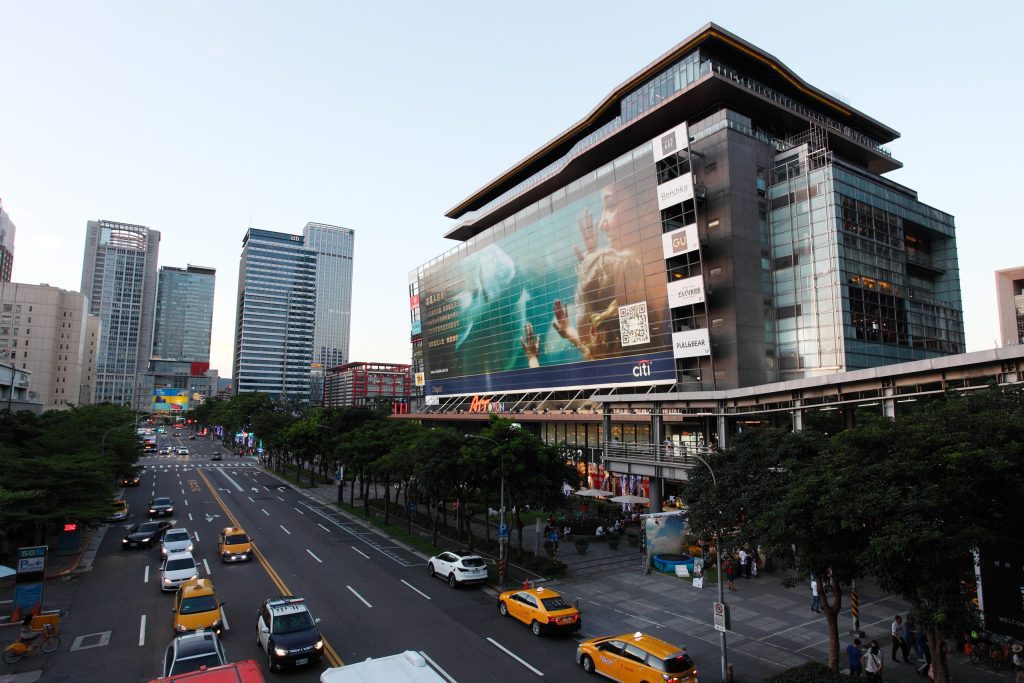
Xinyi District is where modern Taipei truly comes alive. Sleek skyscrapers blend with vibrant street life in a striking contrast of old and new. The district is the glamorous heart of finance and commerce in the city, with a dynamic mix of high-end shopping malls, stylish boutiques, electronics stores, and quirky hidden gems that cater to both shopaholics and window shoppers.
Dominating the skyline is the unmistakable Taipei 101- the true icon. Along with the other towering structures in the district, they define Xinyi as the beating heart of contemporary Taipei, where business, entertainment, and culture all converge. As night falls, the area transforms into a futuristic landscape.
National Palace Museum

At the latter stages of the Chinese civil war, the retreat of the Republic of China to Taiwan was accompanied by another significant relocation. Thousands of cultural treasures from the Forbidden City in Beijing were moved to the island to protect them from damage and loss.
Today, these priceless artefacts are housed in the National Palace Museum, making up one of the world’s most important collections of Chinese art and history. It includes more than 700,000 items, ranging from delicate jade carvings and ancient bronze vessels to exquisite calligraphy, classical paintings, and rare historical texts documenting imperial China’s long past.
As such, the museum is widely regarded as one of the greatest cultural institutions in the Chinese-speaking world. The museum attracts millions of visitors each year, offering an unparalleled journey through thousands of years of imperial heritage.
Maokong Gondola


The southern edge of Taipei has the densest mountainous landscapes in the city. This became the perfect conditions for numerous plantations to establish themselves across the mountainside, making Maokong one of the best places to experience true local tea culture.
The peaceful atmosphere feels a world away from the city below, and that’s what makes it so appealing. As such, people come from far and wide to sit amongst the traditional teahouses, perched along the ridgelines with sweeping views over Taipei.
Driving up the winding roads might be an option, but arriving via the scenic gondola is the way to go! It’s the perfect way to get a bird’s-eye view of the blanketed forests and tea-covered hills of the city’s mountainous limits.
Ximending


Often called the “Harajuku of Taipei,” in reference to the trendy district in Tokyo, Ximending is the city’s bustling, trendsetting neighbourhood. It’s a popular spot for the city’s youth to gather and enjoy a wide range of independent boutiques, fashion stores, entertainment venues, and regular street performances that give the area its lively, creative atmosphere.
At the heart of Ximending is its bustling pedestrian shopping zone, where colourful streets are lined with restaurants, cafés, cinemas, street food stalls, and countless shops selling everything from local snacks to the latest fashion trends. Day or night, it remains one of the most vibrant and exciting places to experience Taipei’s modern urban culture.
Huaxi Night Market


As night falls over Taipei, spots across the city burst into life under the lights of night markets, betel nut beauties and betting shops. Huaxi Night Market captures that slight sense of chaos and energy while also walking a fine line of morality. It’s found in the historic Wanhua district, the oldest in Taipei and the area most associated with organised crime. On top of that, it’s also still unofficially considered the city’s red light district… apparently.
That’s not to say this place is a free-for-all. Huaxi Night Market functions like any other and has cleaned up its sordid image over the years. But that gritty personality causes it to be overlooked by first-time visitors, but this historic market offers a fascinating blend of traditional Taiwanese street food, local culture, and unusual culinary experiences.
That’s how the market first gained attention: through its exotic dishes and traditional medicinal foods, which were once associated with local folk remedies and adventurous dining. The market’s nickname of “Snake Alley” makes pretty clear who the star of the show used to be.
These streets and a handful of surviving restaurants offer some truly unique dishes, including snake soup and fried snake meat. You can also try glassfuls of blood and venom, along with other unique meaty offerings such as turtle meat, bull penis, and deer antler velvet on the menu, too.
Taipei Confucius Temple
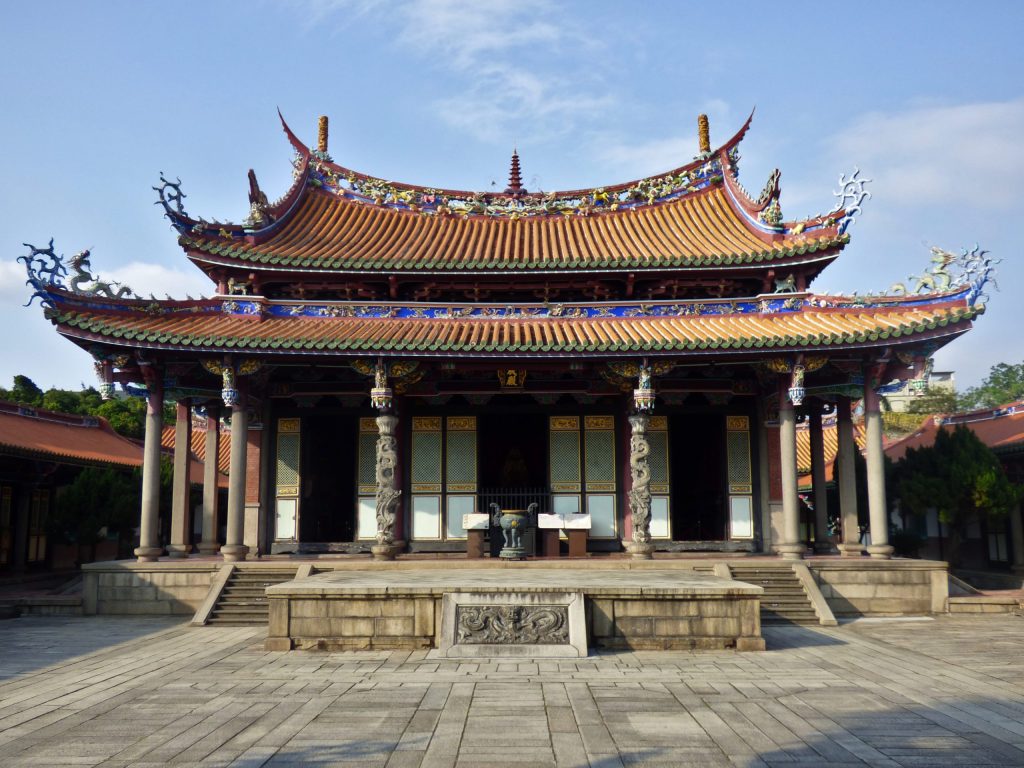
Unlike the elaborate designs seen in Taoist temples, Confucian temples embrace a far more subtle and refined architectural style.
This humble little temple reflects the religion’s philosophy of harmony, education, and discipline. It was first built in 1879 during the Qing Dynasty and features iconic Confucian design elements, including red-painted walls, intricately crafted roofs, and elaborate wooden carvings.
At the heart of the complex lies the main hall, home to a statue of Confucius, the influential philosopher whose teachings shaped much of East Asian culture and society. You can even find stone tablets engraved with the names of Confucius’ disciples. Such a reflective atmosphere creates one of the more peaceful spots beyond Taipei’s busy streets.
For a detailed guide on temples in Taipei and beyond, check out The Ultimate Guide to Taiwanese Temples.
Huashan 1914 Creative Park
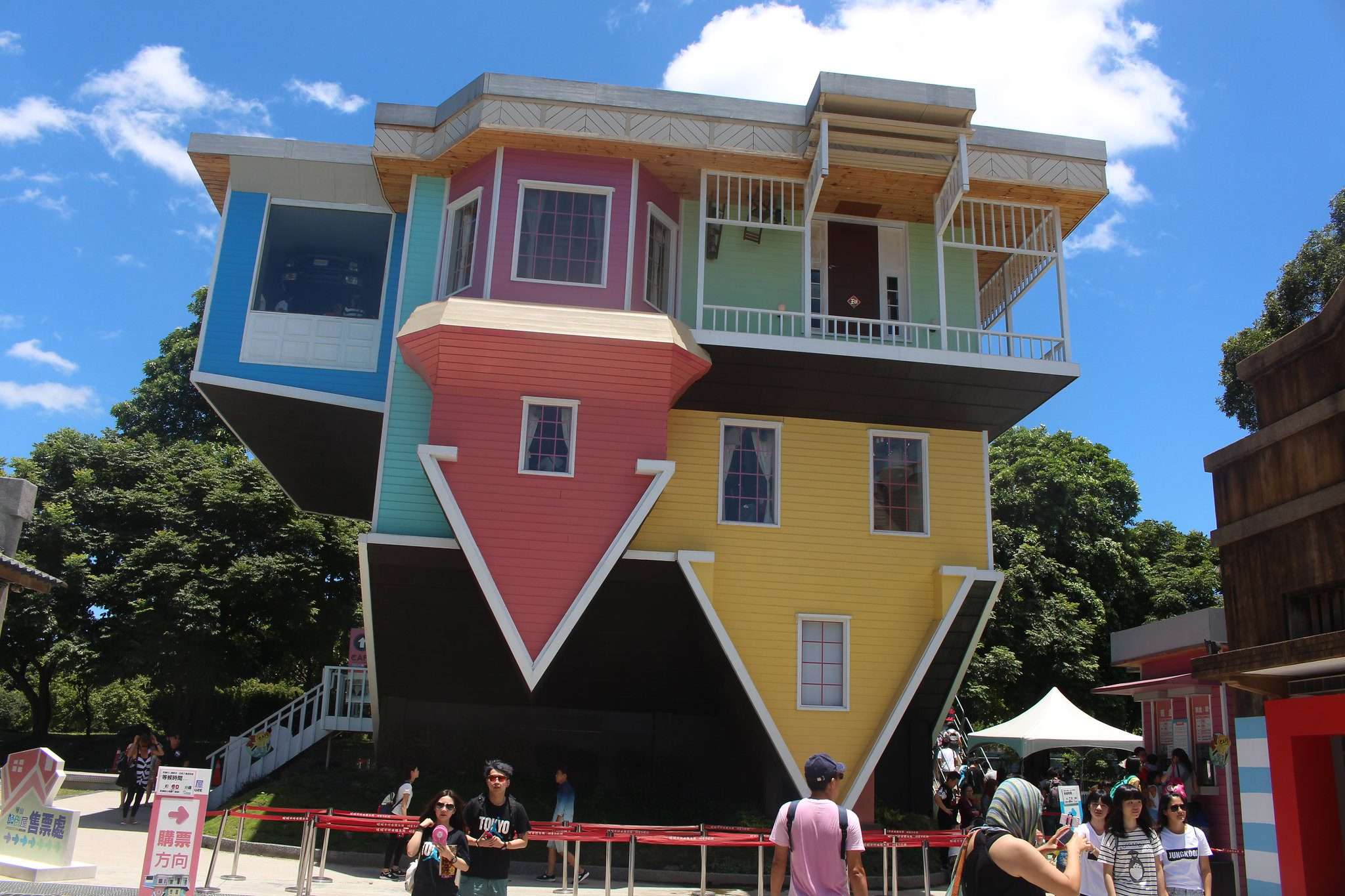
Taiwan has a unique ability to blossom from the ashes of its past. Numerous Japanese-era institutions, from tobacco factories to army barracks, have been repurposed into cauldrons of creativity. Huashan 1914 Creative Park is an example of that, being that it’s set on the grounds of a former Japanese-era winery. Since then, it has been transformed into one of Taipei’s leading hubs for everything art.
Within the beautifully restored industrial complex are a wide variety of exhibition halls, creative studios, and performance spaces that regularly host concerts, film screenings, and contemporary art exhibitions. Its mix of historic architecture and modern artistic energy gives the area a unique atmosphere that feels both nostalgic and forward-thinking.
Beyond the galleries and events, visitors can also explore a collection of independent shops, stylish cafés, and restaurants scattered throughout the complex, making it an ideal place to wander through Taipei’s creative scene.
Shilin Night Market

One night market is never enough. They’re the living, breathing core of Taiwanese nightlife and each has its own unique layout, selection, and overall personality. Shilin Night Market is the largest of them all, stretching across numerous streets and alleyways, offering far more than just the food stalls.
Its maze-like streets are full of a wide array of food vendors, filling the alleys with the aromas of sizzling street food. Amongst hundreds of options, you’ll also find plenty of classic Taiwanese favourites like oyster omelettes, crispy fried chicken, and the famously pungent stinky tofu.
Outside and often behind many of the food stalls are a large, eclectic collection of independent stores and a handful of big-name brands offering a varied assortment of goods. From questionable electronics to luxury jewellery, there are plenty of souvenirs to get your hands on.
Xingtian Temple

From the endless number of temples to choose from, this is another worthy addition to the must-see list. This particular one is dedicated to Xingtian, the God of War, though locals come here in search of something a little less bloodthirsty. As with many temples in Taiwan, Xingtian has become popular with people seeking guidance, reassurance or all of the above related to one specific area in their life, in this case, careers.
It’s also one of the more modern temples in the city, only being built in 1967. Yet, that youthfulness has not made the site any less important. In fact, the temple is one of the more progressive in the city. It’s one of the few religious sites free from clouds of incense fogging the skies or joss paper burned on mass in an effort to limit their environmental impact.
If you arrive at the perfect time, you’ll see many of the resident workers reading their scriptures in the courtyard. A beautiful moment of peaceful reflection in the heart of the city.
Tamsui


After flowing its way through the capital, the Tamsui River arrives at the coast at the charming waterfront district that has played a pivotal role in Taiwan’s history.
Tamsui once functioned as one of northern Taiwan’s most important trading ports. The area first flourished during the Qing Dynasty, helping to transform Taipei into a thriving commercial hub and gateway to the outside world. It seems that everyone else had the same idea, as Tamsui has passed through the hands of several would-be colonisers. The unmistakable Spanish name of Fort San Domingo highlights one of its former 17th-century residents. This hot commodity even first passed through the hands of the early-invading Dutch before finally serving as a British Consulate.
While the area’s colonial past has largely faded into history, its rich heritage lives on through its historic landmarks, picturesque riverside promenade, and the iconic Fisherman’s Wharf.
Sun Yat-sen Memorial Hall


The remarkable story of the Republic of China didn’t begin on the island of Taiwan, but across the Taiwan Strait. At the centre of this revolution was Sun Yat-sen, the influential Chinese revolutionary who is regarded as the “Father of the Republic of China” for his role in overthrowing the Qing Dynasty and helping establish the republic in 1912.
To honour his legacy, Taiwan constructed the impressive Sun Yat-sen Memorial Hall, which was completed in 1972. More than just a monument, the building serves as a cultural centre and museum dedicated to his life, ideals and achievements, hosting exhibitions, performances and public events throughout the year.
Dadaocheng


Taipei’s Datong District is one of the city’s most historic neighbourhoods. The area developed during the Qing Dynasty and was among the earliest urban settlements outside the old city walls. Its beautifully preserved streets still retain their traditional charm and offer a fascinating glimpse into Old Taipei.
Dadaocheng flourished as a major commercial centre following the opening of Tamsui Port to international trade in the 19th century. Merchants dealing in tea, textiles, Chinese medicine, and imported goods established businesses here, transforming the district into the economic heart of northern Taiwan.
While remaining a humble centre of trade, in place of heavy commerce, there are many independent cafés, boutique shops, art galleries, and cultural spaces that help detail the wonderful history of the neighbourhood.
228 Peace Memorial Park


Despite present-day Taiwan being comparatively progressive compared to most of its neighbours, things weren’t always as free as they are now.
228 Peace Memorial Park commemorates one of the most significant and tragic events in Taiwan’s modern history. The 228 Incident began on 28 February 1947, when public unrest over government corruption and the violent treatment of a cigarette vendor escalated into island-wide protests against the Chinese Nationalist (Kuomintang) government, which had taken control of Taiwan following the end of Japanese rule. The unrest resulted in the deaths of thousands of Taiwanese civilians and marked the beginning of decades of political repression known as the White Terror.
The park features several memorials and monuments dedicated to the victims of the 228 Incident, including a wall of remembrance and a monument inscribed with the names of the victims. Despite the sombre history, the park itself is a peaceful green oasis in the heart of Taipei with shaded walking paths that wind through beautifully landscaped gardens, tranquil ponds, and open lawns.
Thank You for Reading! Check Out These Other Helpful Links!
Thank you so much for reading The 20 Best Things to See in Taipei! Also check out these other helpful articles. See you next time!


You May Also Like

The 20 Best Highlights to See in Xi’an

The 20 Best Instagram Worthy Spots in Taiwan
